
Pakistan's political system fails to allow women to lead
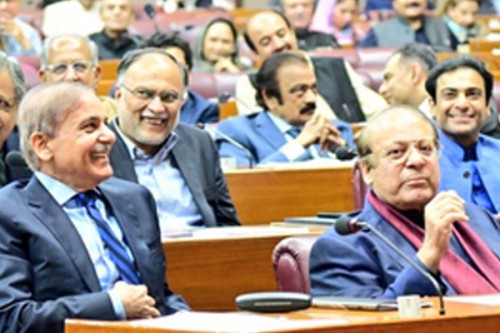
Islamabad, April 12 (IANS) Women's presence in Pakistan's Parliament remains quota-driven. Presently, only one woman has been elected from a general seat, while others have become members through reserved seats, but the leadership positions, from Chairman to Leader of Opposition, remain dominated by men, demonstrating the failure of political parties, a report said.
A new report by the Free and Fair Election Network has revealed that female Senators accounted for 20 per cent of the Senate's agenda during the 2025-2026 Parliamentary year, surpassing 18 per cent share of seats, according to an editorial in the daily Dawn.
"The Fafen report shows Pakistani women in Parliament have shown competence, range and commitment. The question is no longer whether they can perform. It is whether the political system will allow them to lead," it noted.
Women parliamentarians contributed beyond their numerical strength; they did so in various policy areas, from economic management to national security and taxation.
On a per capita basis, women performed better than their male counterparts, submitting an average of 12 agenda items each compared to 11 by men.
Their legislative priorities rejected the stereotype that women lawmakers only highlight 'women's issues' as more than half of their agenda focused on national-level concerns, implying that if space exists, women parliamentarians are not only present but substantive contributors.
"Yet the report also reveals the limits of this progress. The Senate's Gender Responsiveness Score stands at 0.9, indicating that women's legislative initiatives receive less attention than those of their male colleagues. More tellingly, most female Senators fall into the "rarely spoke" category in plenary debates. But the deeper constraint lies outside the chamber," the editorial said.
"Women's presence in Parliament remains overwhelmingly quota-driven. Of the current cohort, only one woman has been elected on a general seat; the rest entered through reserved quotas. Leadership positions -- from Chairman to Opposition leader -- remain male-dominated. This is a failure of political parties. Parties control the pipeline of power. By allocating most general seat tickets to men, they cap women's political growth, confining them to the margins of electoral politics while benefiting from their performance within the legislatures. This exposes a contradiction: women are trusted to legislate, scrutinise and represent -- but not to contest and win," it added.
Reform must start at the party level if the imbalance in Pakistan is to be corrected, it stressed.
Political parties need to actively promote women as candidates for general seats. It demands investment in the development of candidates, equitable ticket distribution and pathways into party leadership.

|

|