
US bill seeks H-1B relief for Alaska teachers
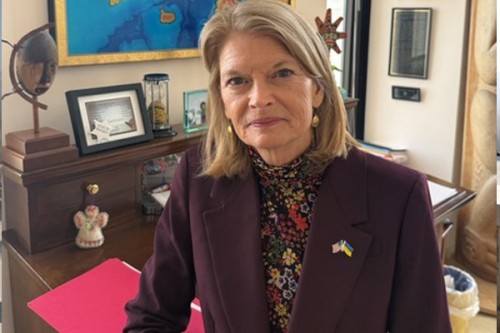
Washington, March 14 (IANS) A US senator has introduced legislation to ease visa costs for public schools in Alaska that rely heavily on international teachers, warning that a new $100,000 fee per H-1B visa could worsen already severe staffing shortages.
Senator Lisa Murkowski said her bill would exempt K-12 public schools from the high visa fee imposed last year, allowing districts to continue hiring qualified educators from overseas to keep classrooms staffed.
“As soon as this proclamation was released last year, I sounded the alarm with the administration about the importance of the H-1B visa program to Alaska's school districts,” Murkowski said.
“Our public school classrooms have been facing a staffing crisis for years, but teachers in Alaska on H-B visas have been instrumental in bridging that shortage and serving our students with talent and care,” she said.
The proposal comes as many districts across Alaska struggle to recruit teachers locally, particularly in remote and rural communities where schools have long depended on international hires.
Education officials say hundreds of teachers in Alaska currently work on visas, and more than half of the state’s school districts rely on them to fill classrooms.
“International teachers are essential to keeping classrooms open across Alaska,” said Dr. Lisa Parady, Executive Director of the Alaska Council of School Administrators. She warned that the steep visa fee has made it “financially impossible for many districts to continue hiring the teachers their students depend on.”
School leaders say the problem is especially acute in rural districts, where domestic applicants are often scarce.
“The recent $100,000 H-1B visa fee has made it impossible for districts like ours to continue recruiting the educators we need,” said Dr. Cyndy Mika, Superintendent of the Kodiak Island Borough School District.
“Nearly 20 per cent of our teachers are on visas, and almost 75 per cent of our village teachers are international hires,” she said. “These educators are not replacing American teachers — we simply do not have applicants for these positions.”
Without international teachers, she said, districts would struggle to keep classrooms operating.
“Without access to international educators, districts like Kodiak will struggle to fill classrooms and provide consistent learning environments for students,” Mika said.
Other education leaders echoed those concerns, noting that the new visa cost could make it impossible for districts to maintain current staffing levels.
“As many districts across the state of Alaska have experienced budget deficits, having to pay a $100,000 H-1B visa fee for each incoming international teacher is unrealistic,” said Tammy Dodd, Superintendent of the Bering Strait School District.
She noted that the district employs dozens of international teachers who make up a large share of the teaching workforce.
In some rural districts, international educators form a critical backbone of the school system.
“In the Kuspuk School District, international teachers are not a supplement to our workforce. They are essential to keeping schools open,” said Superintendent Madeline Aguillard.
The legislation follows a presidential proclamation issued in September 2025 requiring H-1B visa applicants to pay a $100,000 fee in addition to existing application costs.
While the H-1B visa program is widely used by US technology companies to recruit skilled workers, some school districts have also used it to hire qualified teachers when local recruitment efforts fail.

|

|